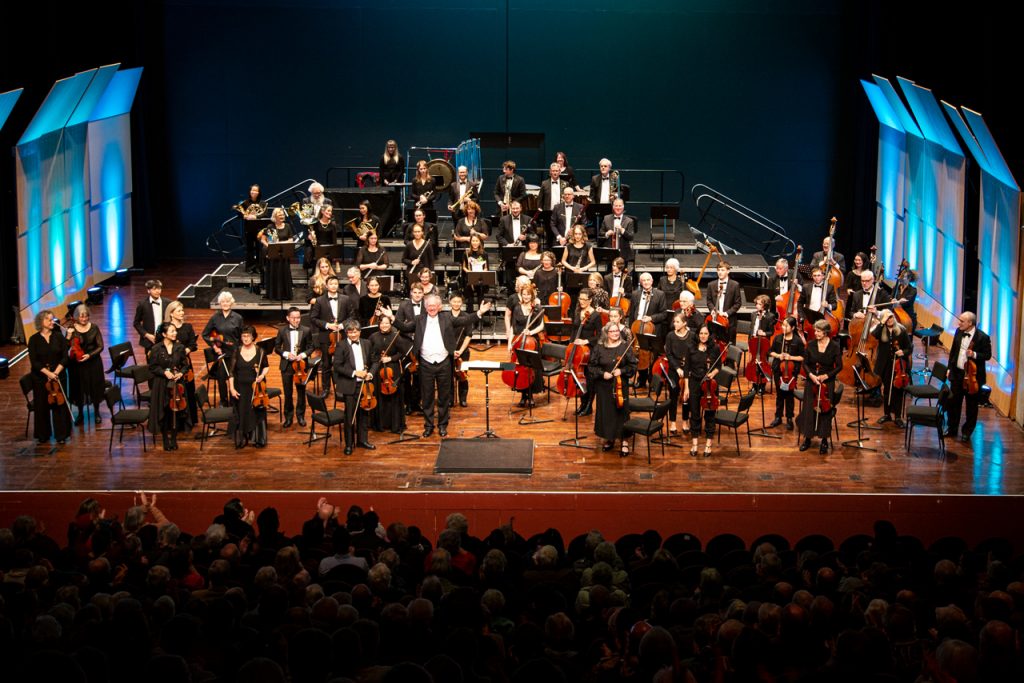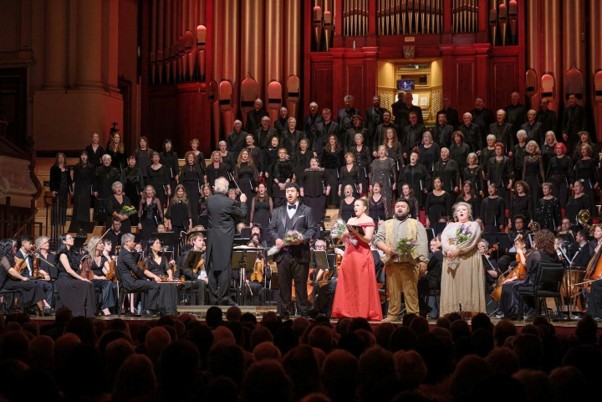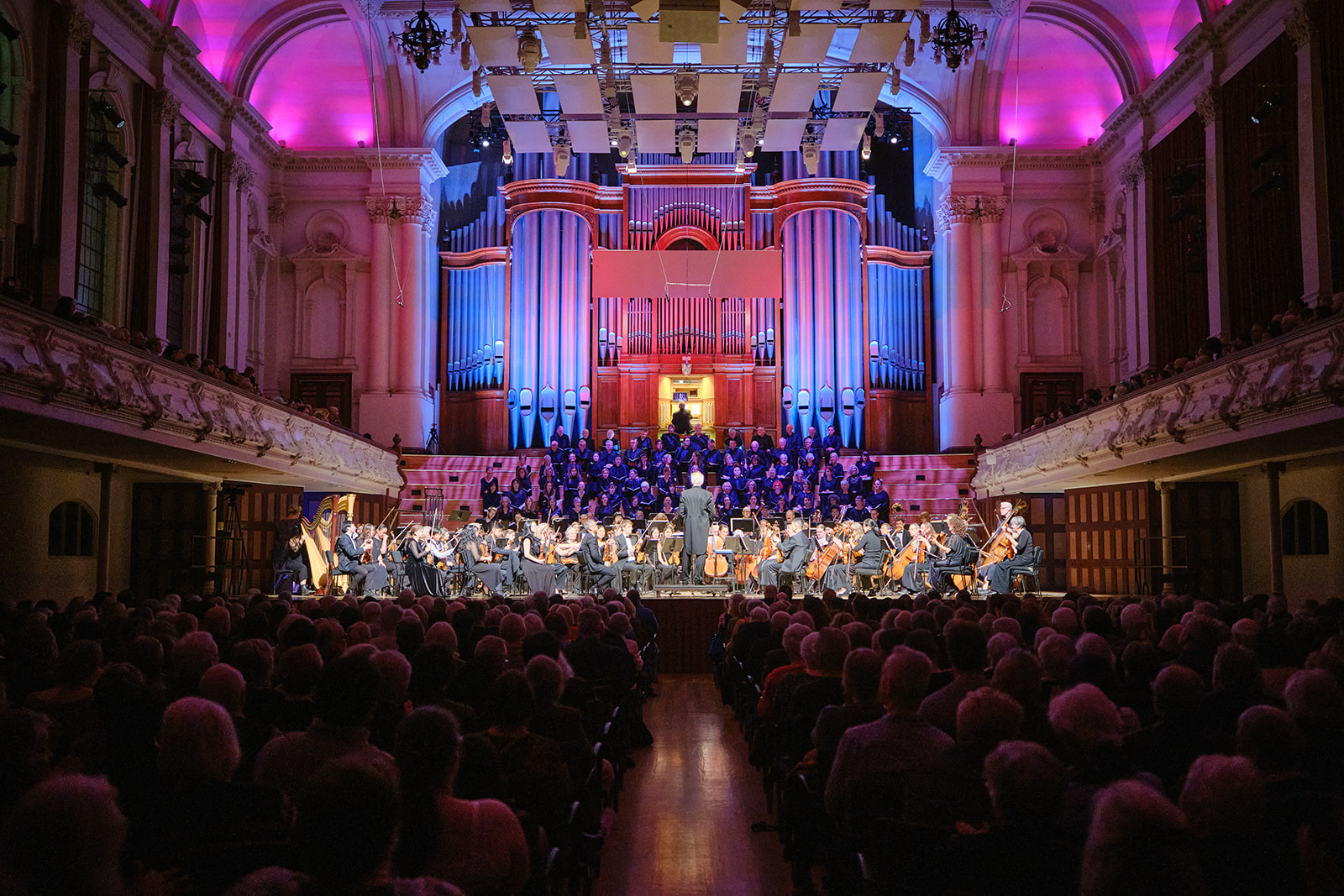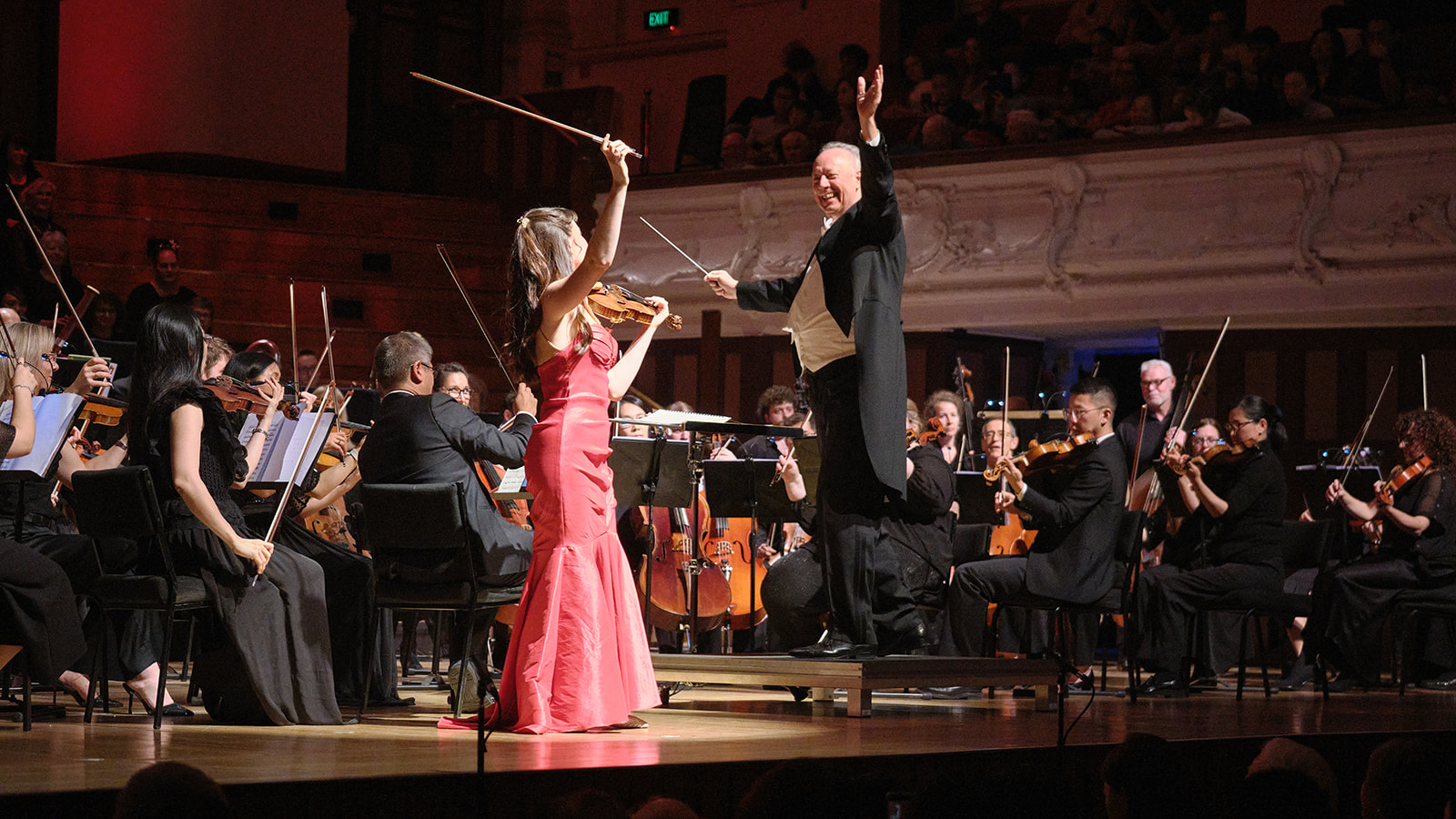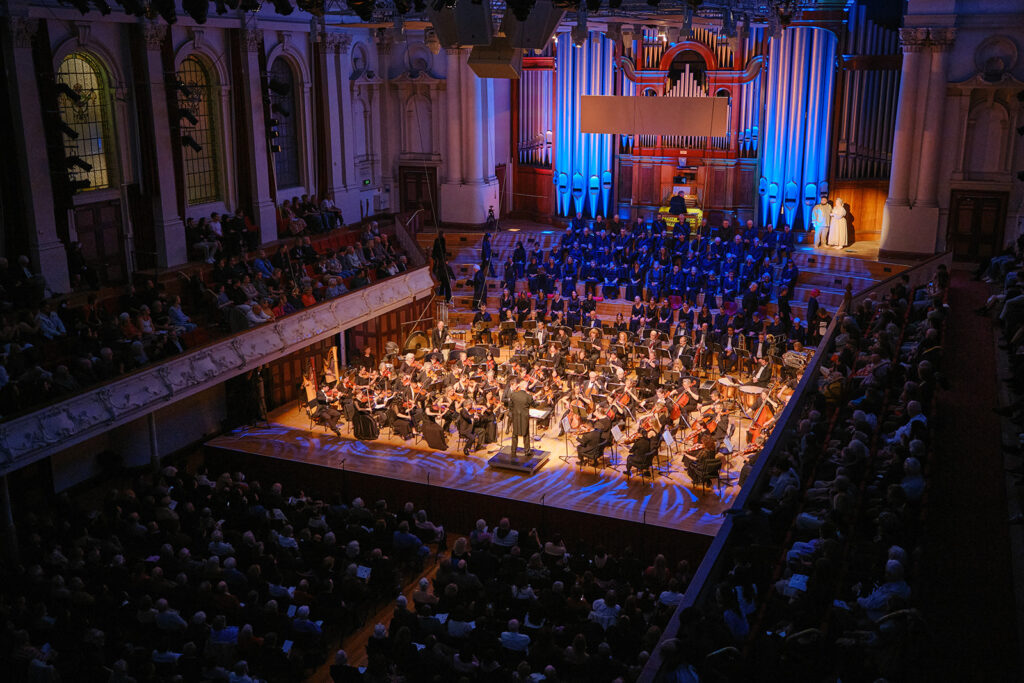
Uwe Grodd led the Manukau Symphony Orchestra and Auckland Opera Studio’s Opera Gala 2026 at Auckland Town Hall. Photo / TG Hamill
Review by William Dart NZ Herald· 1 Jul, 2026 06:00 AM
The unbridled applause of a capacity town hall audience greeted conductor Uwe Grodd as he introduced Manukau Symphony Orchestra and Auckland Opera Studio’s Opera Gala 2026. His eloquent words of welcome included some witty reflections. “Opera may be make-believe, with kings, queens, impossible plots, miraculous coincidences and people saying things they don’t really mean,” he suggested, “But perhaps it’s not so different from modern politics”.
Tonight’s thoughtfully curated programme, with exceptional programme notes by Sam Girling, made for a hugely entertaining two hours.
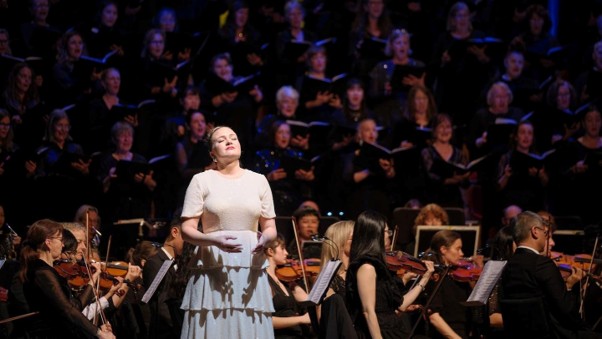
Auckland Choral’s lusty “Anvil Chorus” from Verdi’s Il Trovatore introduced prizewinning soprano, Breony Bearman, in a soul-searching aria from that opera’s heroine. Her passionate Voi lo sapete from Cavalleria Rusticana was followed by a resonant reading of that opera’s orchestral Intermezzo before Mascagni’s Easter Hymn was allotted full choral majesty.
How delicious to have the sweet tones of violinist Amalia Hall in the sentimental Meditation from Massenet’s Thais, and then thrill to Felicity Tomkins, with another heroine, brought alive with musical and dramatic subtlety. Those fortunate enough to have enjoyed Sunday night’s soloists in intimate recital at Frances Wilson’s Auckland Opera Studio may well have been astonished by their confidence in a more capacious venue, singing with Grodd’s well-marshalled MSO.
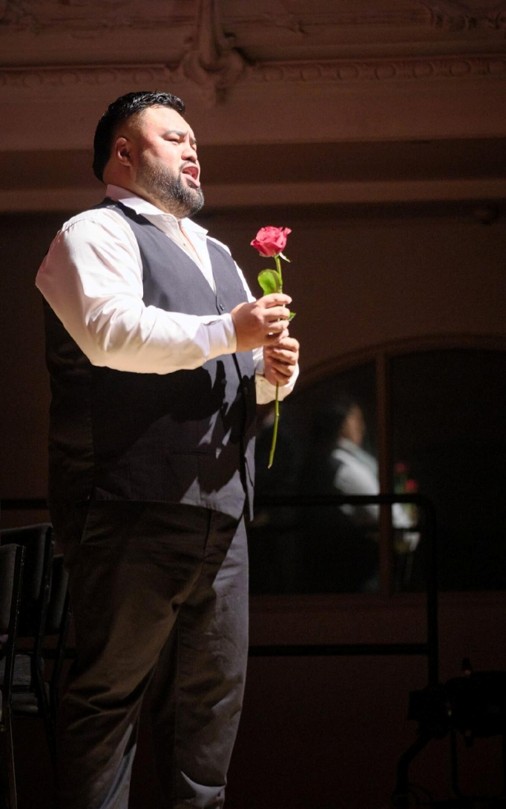
Ridge Ponini’s lyrically lovelorn Flower Song from Carmen was a clever response to Hall’s nimble skip through Sarasate’s rather kitsch Fantasy on Bizet’s opera.
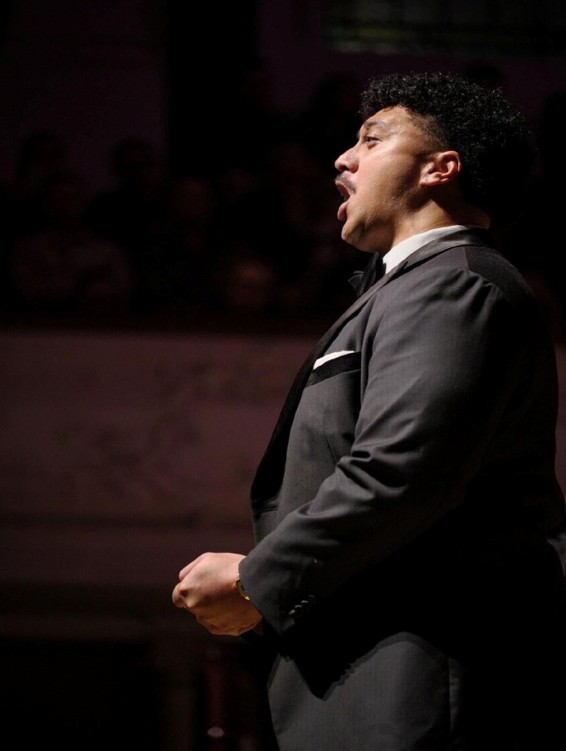
Baritone Alfred Fonoti-Fuimaono was an imposing Scarpia in the Te Deum from Puccini’s Tosca, standing proud and full-voiced among the sonic spectacular created by full chorus, orchestra and organist Philip Smith.
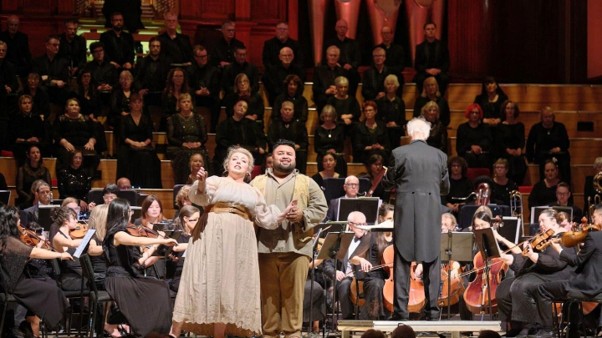
The indubitable highlight of the evening was Tomkins and Ponini in the heartbreaking final scene from Manon Lescaut. Puccini’s 18 substantial minutes revealed the mettle and promise of Ponini’s well-groomed tenor as a noble Des Grieux alongside Tomkins’ doomed Manon, her opulent soprano, never less than lustrous, was shatteringly beautiful in her final aria, with no detail left unobserved. Here, and elsewhere, the stage direction of John Davies was much appreciated, allowing significant glimpses of the ill-fated lovers during a lush orchestral Intermezzo.
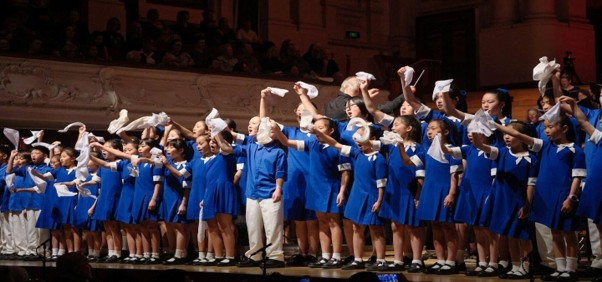
In an evening of many well-calculated crowd-pleasers, including some lively Carmen chorusing from The Cloud Children’s Choir, a sonorous How Great Thou Art, in te reo Māori and English, was a memorable and moving finale.